politics

From Imposed War to Victory: Explaining Iran’s Success in the Conflict with the United States and the Zionist Regime

In conclusion, the most important point to emphasize in this analysis is the gap between what the United States and the Zionist regime assumed about Iran’s system and what they actually encountered in practice. They believed that by removing a small number of individuals at the top, the entire system would collapse. However, Iran demonstrated that it possesses a multi-layered and distributed structure—one in which the failure of a single component does not paralyze the whole system.

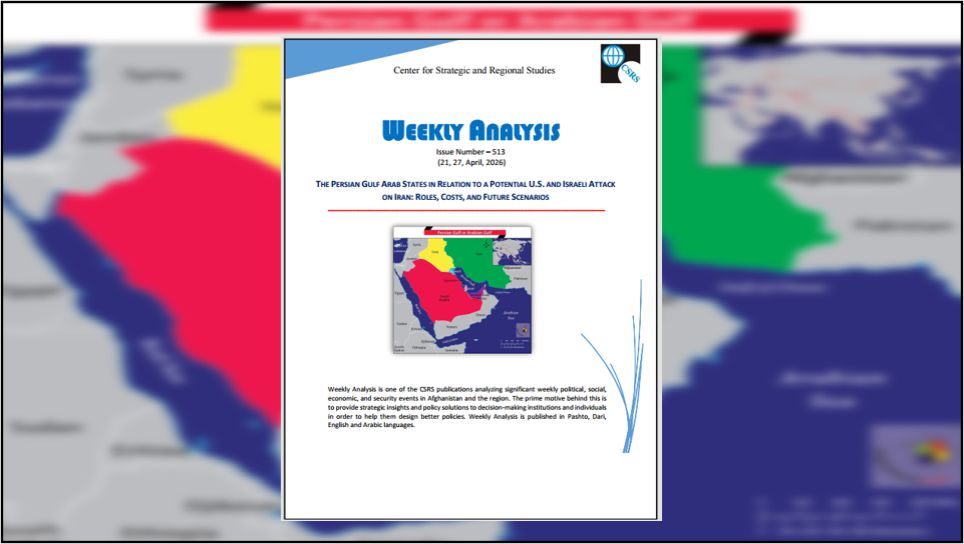
The Persian Gulf Arab States in Relation to a Potential U.S. and Israeli Attack on Iran: Roles, Costs, and Future Scenarios

The Persian Gulf states find themselves in a complex and multi-layered position in the conflict between the U.S.–Israeli axis and Iran, where their strategic choices have the potential to significantly shape the future of the region. The continuation of a defensive posture, while less costly and more conducive to faster recovery and reconstruction, would still mean the persistence of uncertainty and ongoing economic pressure. It may reduce immediate military risks, but it does not fully eliminate long-term security concerns or regional instability.

The Confrontation Between the United States, Israel, and Iran: Drivers and Prospects

The confrontation between the United States, Israel, and Iran—now paused under a fragile ceasefire and accompanied by inconclusive negotiations—stems from a fundamentally zero-sum strategic dynamic. The United States and Israel seek a “neutralized” Iran: one without nuclear technological capacity, deprived of advanced long-range weapons, and with minimal regional influence. From Iran’s perspective, however, accepting such conditions would amount to the dismantling of its technological, military, and political capabilities, ultimately placing the state on a path toward strategic vulnerability and possible collapse.

Trump’s Route for International Peace and Prosperity: The Expansion of Western Influence in the South Caucasus and Iran’s Position

By: Center for Strategic & Regional Studies Note: Click here for the PDF file of this analysis. ___________________________________________________________________ In this issue: Trump’s Route […]

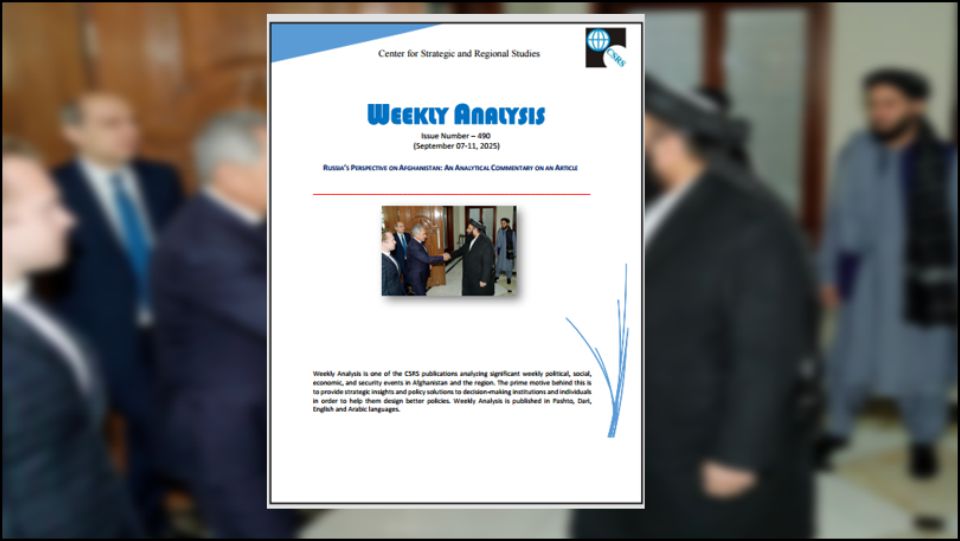
Russia’s Perspective on Afghanistan: An Analytical Commentary on an Article

By: Center for Strategic & Regional Studies Note: Click here for the PDF file of this analysis. ___________________________________________________________________ In this issue: Russia’s Perspective […]

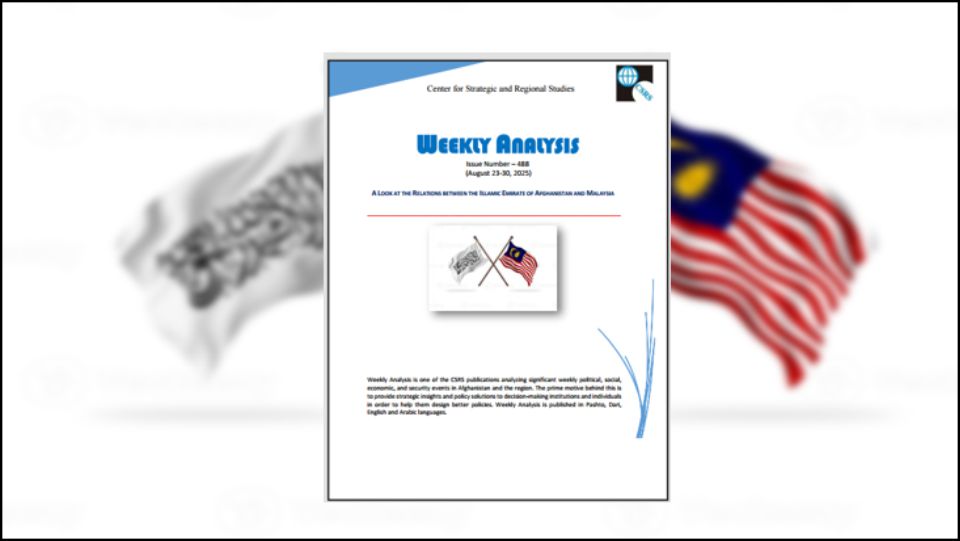
A Look at the Relations between the Islamic Emirate of Afghanistan and Malaysia

The relationship between the Islamic Emirate of Afghanistan and Malaysia has developed within a framework of cautious and conditional engagement. Kuala Lumpur has thus far refrained from formally recognizing the Kabul government; however, through Islamic multilateralism, particularly via the Organization of Islamic Cooperation (OIC), as well as humanitarian and technical channels, it has maintained avenues for dialogue and issue-specific engagement.

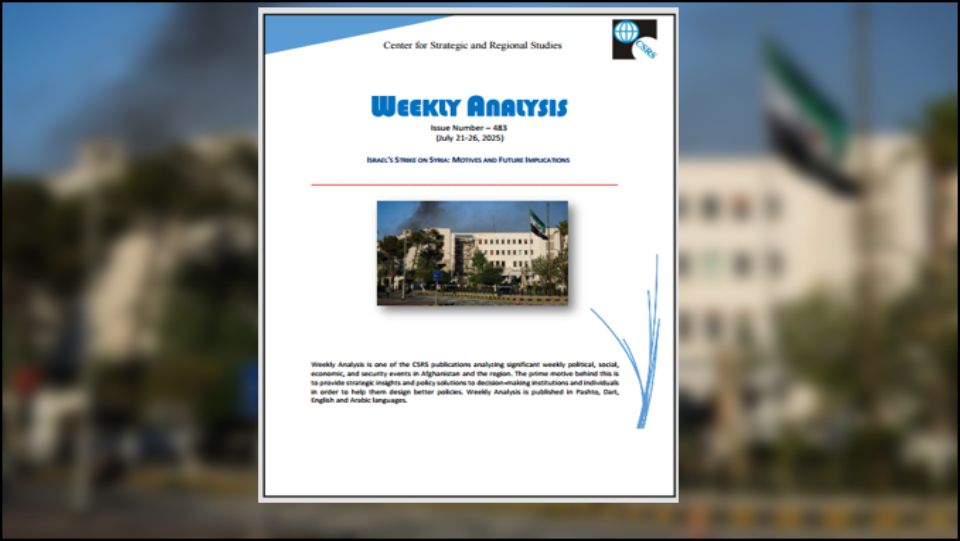
Israel’s Strike on Syria: Motives and Future Implications

Israel’s recent attack on Syria, officially justified as a move to protect the Druze minority, targeted the Ministry of Defense in Damascus. However, beyond this stated goal, Prime Minister Benjamin Netanyahu appears to have broader motives. One of them is to keep Israel engaged in conflict as a way to delay his ongoing corruption trials, portraying himself as a wartime leader facing national security threats.

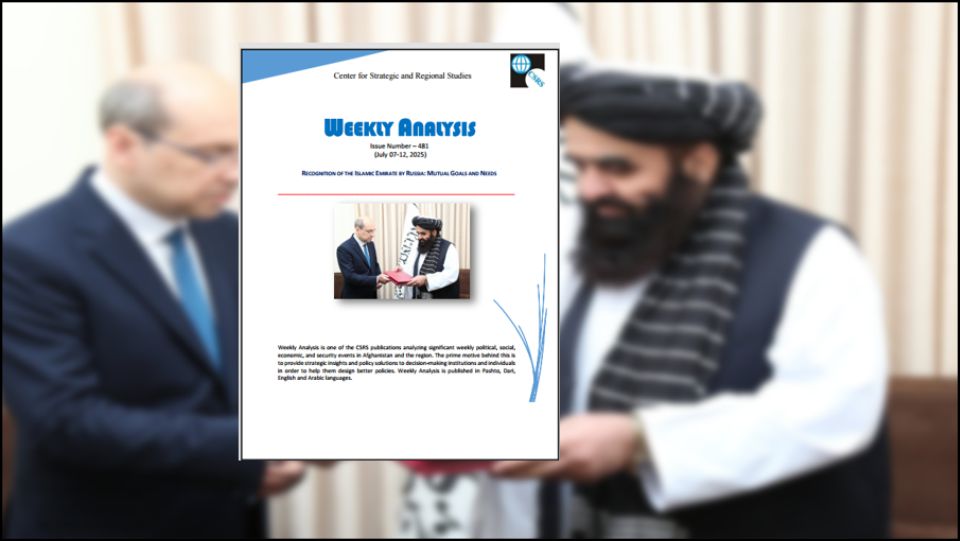
Recognition of the Islamic Emirate by Russia: Mutual Goals and Needs

The issue of recognizing governments does not follow any specific legal procedure, as states base their decisions primarily on their political interests and considerations. Russia’s recognition of the Islamic Emirate reflects this reality. From a legal perspective,

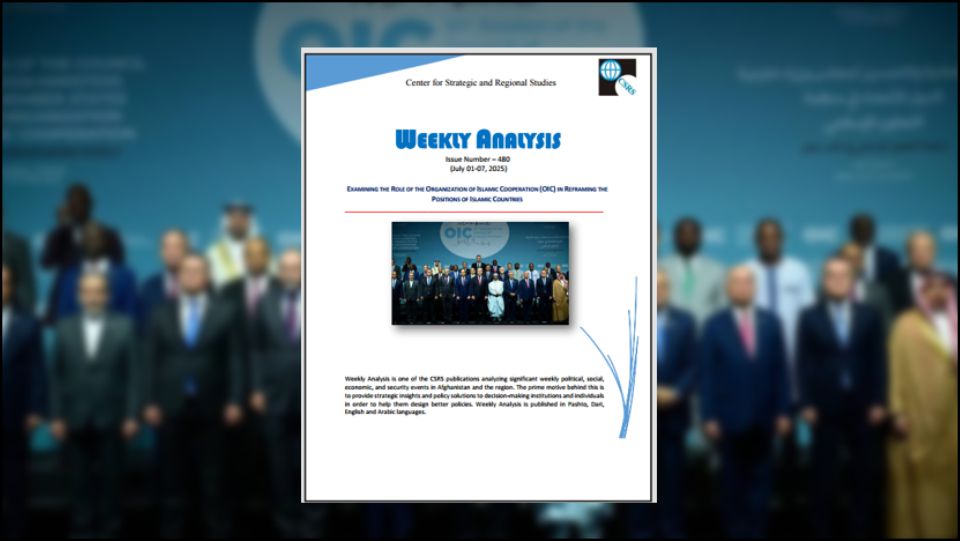
Examining the Role of the Organization of Islamic Cooperation (OIC) in Reframing the Positions of Islamic Countries

An examination of the role of the Organization of Islamic Cooperation (OIC) shows that it has played an important part in shaping discourse, guiding Islamic countries, and fostering apparent unity through its regular meetings and declarations. However, in light of the points discussed above, a reassessment of the OIC’s positions in diplomacy suggests the need for a fundamental review of its approaches, priorities, and tools for cooperation among Islamic countries within their foreign policy frameworks.

The European Union’s Foreign Policy towards the Islamic Emirate of Afghanistan

An analysis of the European Union’s relations with the Islamic Emirate of Afghanistan reveals a profound divide between the EU’s normative values and its geopolitical imperatives concerning Afghanistan.

Scroll to top